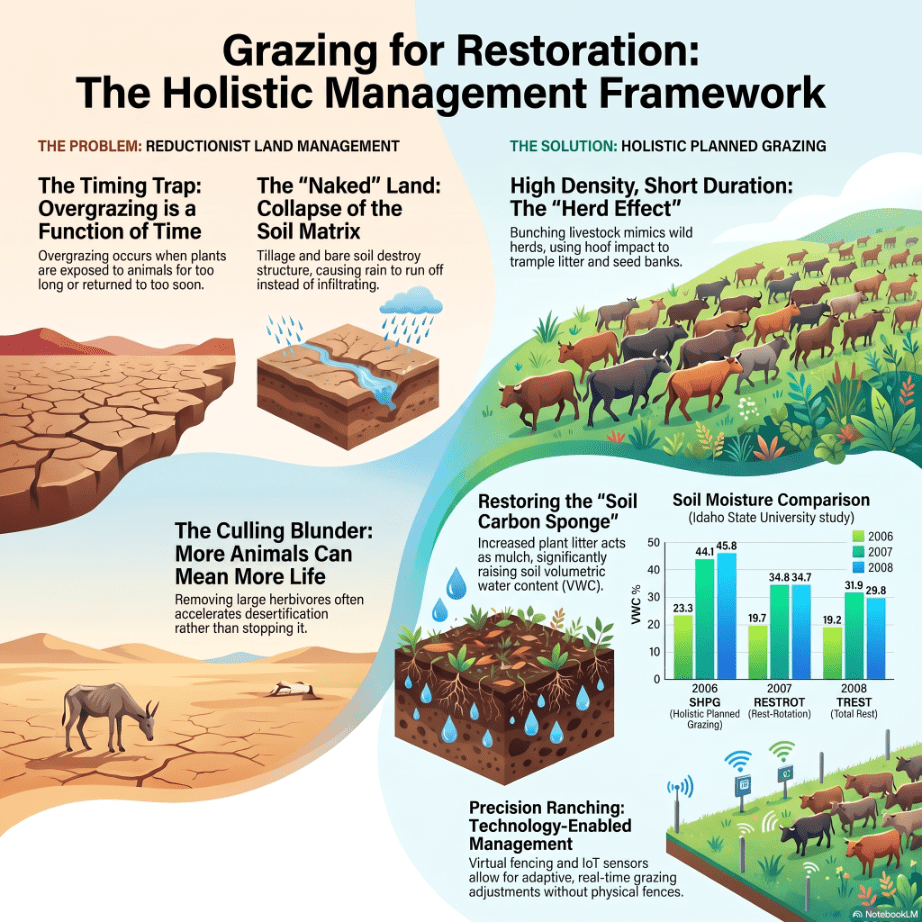

1. Introduction: The Rangeland Paradox The sight of cracked, bare earth and encroaching desert is traditionally framed as an inevitable symptom of climate change or the direct result of “too many cows.” For decades, reductionist thinking has cast livestock as the primary villain in the story of land degradation, seeking…
Tag: Economics
Information
Read more
The Invisible Revolution: 5 Surprising Truths About the Future of Ranching Without Fences
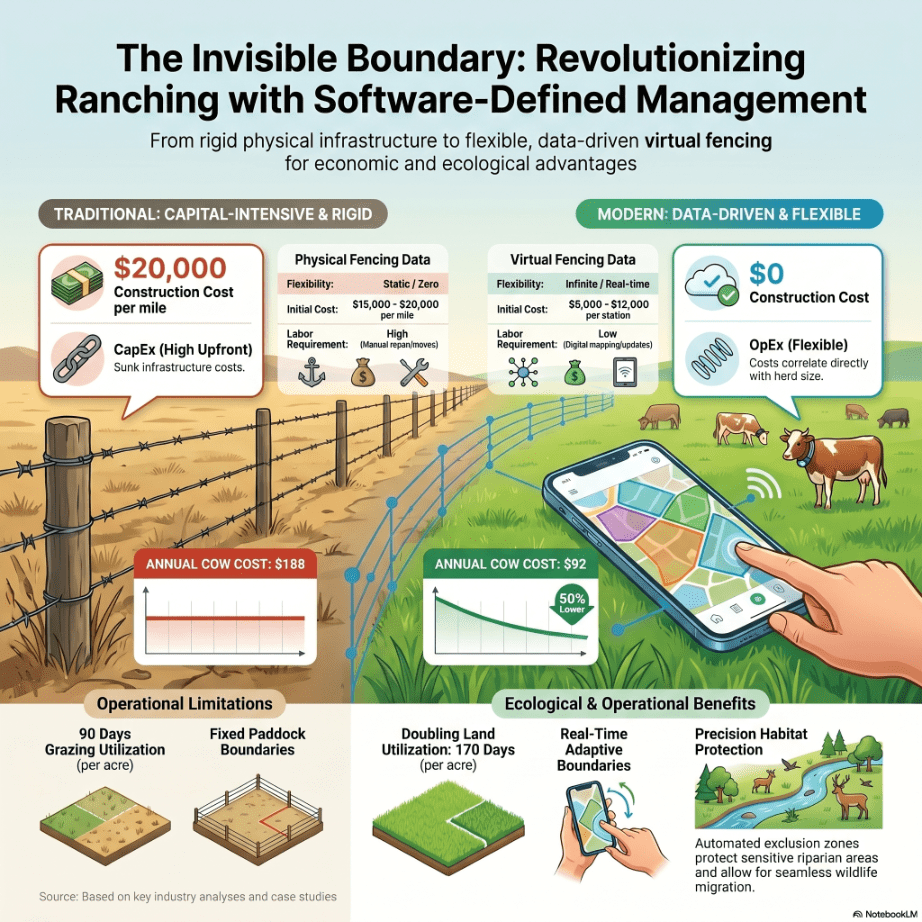
Introduction: The $15,000-per-Mile Problem Traditional ranching is hitting a massive infrastructure wall. Building a standard 4-wire metal fence now costs upwards of $15,000 per mile—a baseline figure that can spike even higher in rocky or mountainous terrain where labor costs soar. For a large-scale operation managing thousands of acres, the…
Information
Read more
The Great Erasure: Why the Physical History of the Middle Ages Was Sacrificed for a Computer Model
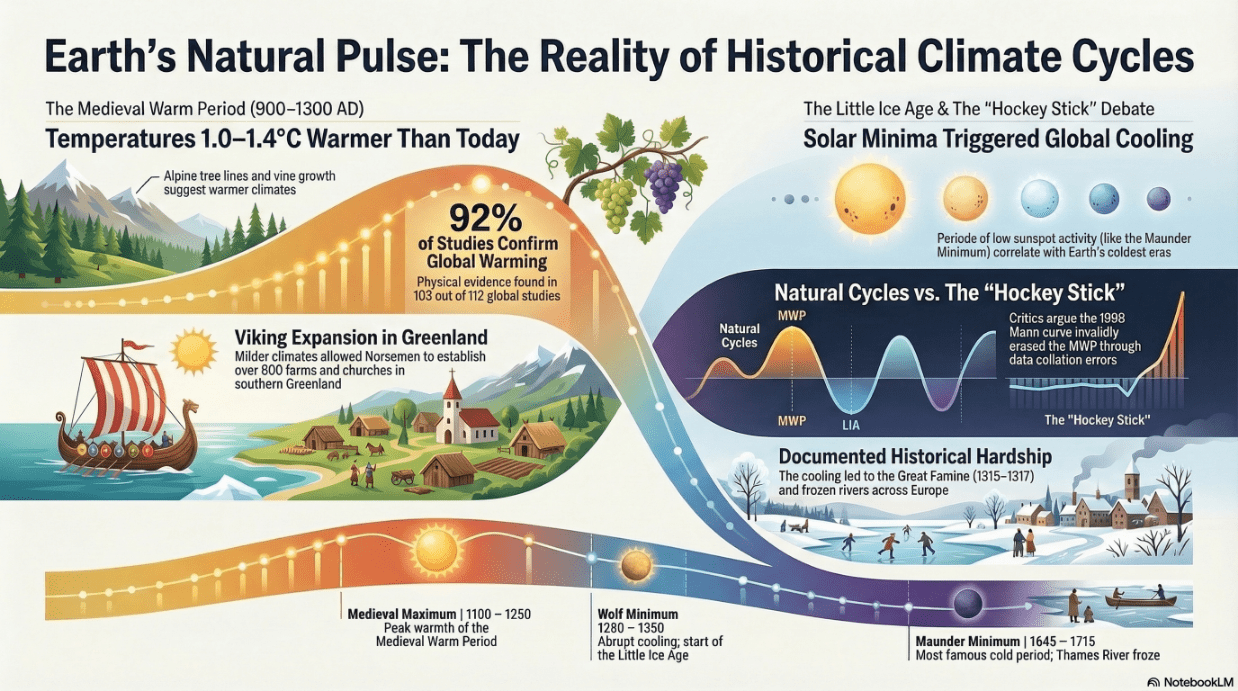
1. Introduction: The Greenland Paradox In 985 AD, a Norse explorer named Erik the Red led a fleet toward a massive island in the North Atlantic. He bestowed upon it a name that modern observers often dismiss as a clever marketing ploy: “Greenland.” However, the archaeological record suggests that for…
Information
Read more
The Great Erosion: Unmasking the Rise of Corporate Feudalism in the American Heartland
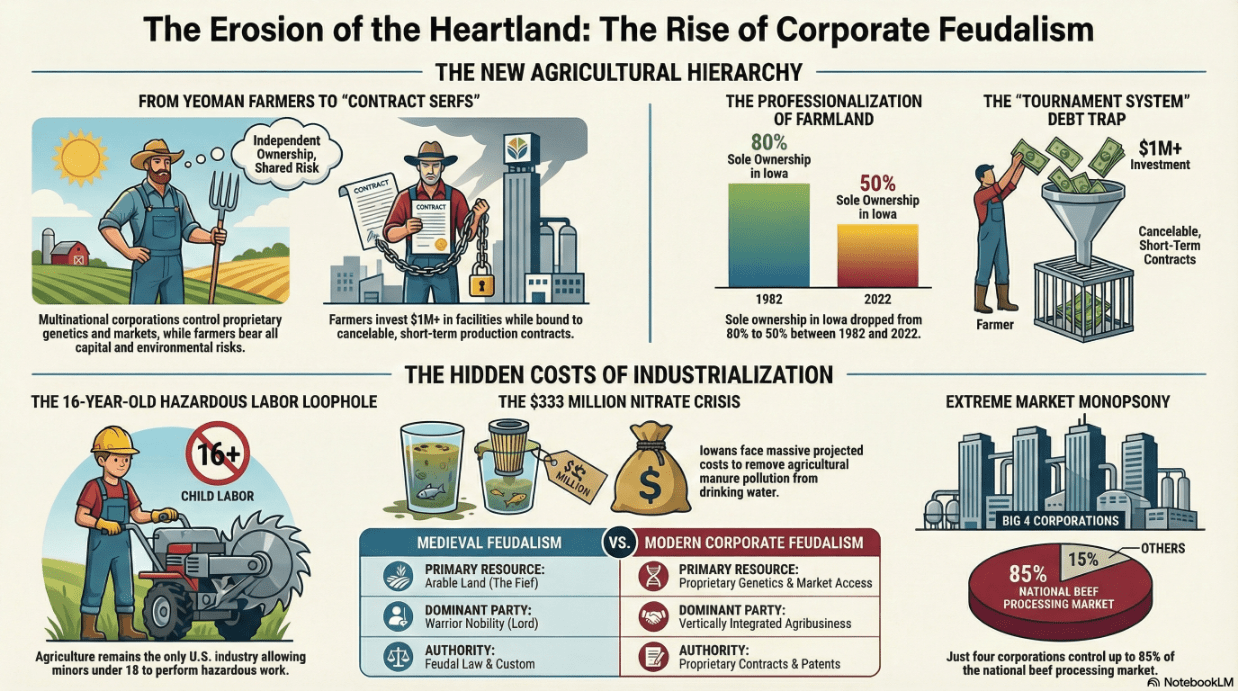
1. Introduction: The Death of the Jeffersonian Ideal The historical baseline of the American Heartland was built upon the “Jeffersonian ideal”—the vision of the independent yeoman farmer whose autonomy and land ownership served as the primary defense against the concentration of political and economic power. Today, this ideal is effectively…
Information
Read more
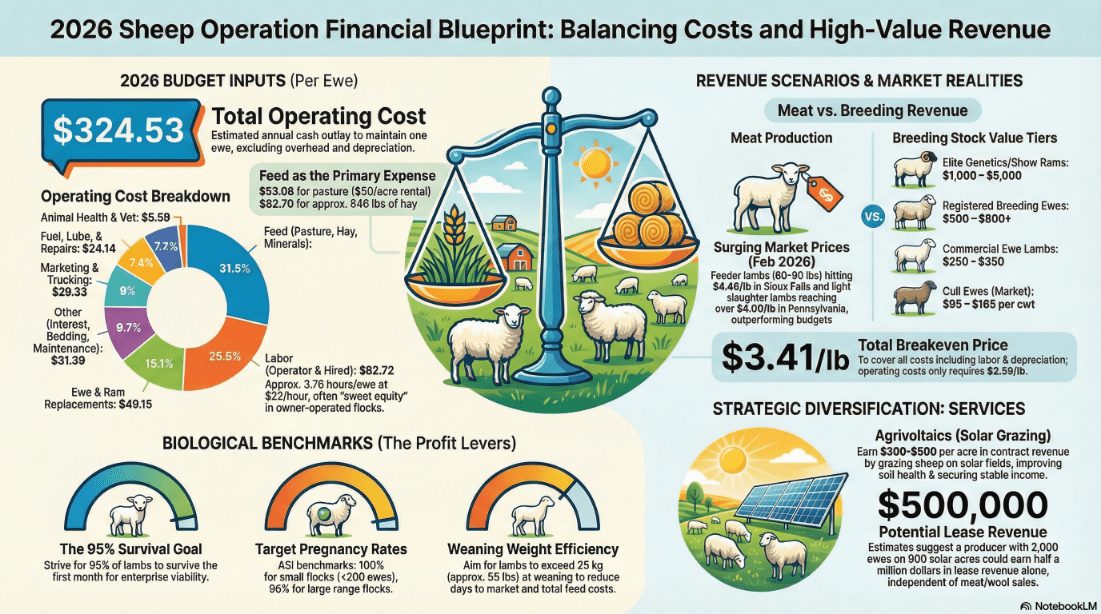
The 2026 Sheep Operation Financial Outlook: Market Realities and Production Strategies
1. Introduction: Navigating the 2026 Sheep Market The broader agricultural landscape is currently navigating a “generational downturn” in farm income. Net farm income for 2026 is projected to settle at $153.4 billion, a figure significantly suppressed by record-high production expenses and a contraction in crop receipts. However, the sheep and…